
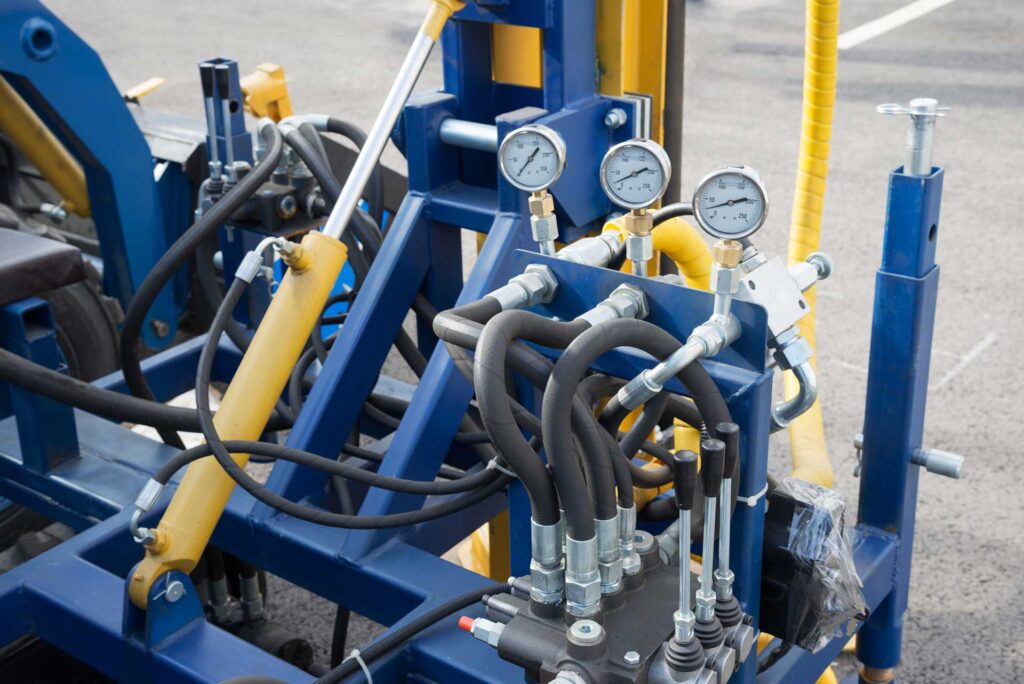
In industries where force, precision, and reliability are critical, hydraulic systems play a central role in powering machinery and controlling movement. By using pressurised fluid to generate force, hydraulic technology enables equipment to lift, push, compress, and operate with a level of strength that would be difficult to achieve through mechanical or electrical systems alone. This capability makes hydraulics indispensable across manufacturing, construction, mining, agriculture, and infrastructure sectors.
Hydraulic systems are valued for their ability to deliver consistent power under heavy loads. Unlike other systems that may lose efficiency as demand increases, hydraulics maintain stable performance even in demanding conditions. This reliability supports continuous operation and reduces the risk of performance-related failures.
Understanding How Hydraulic Power Works
Hydraulic systems operate on a simple but powerful principle. Pressurised fluid transmits force through hoses, valves, and cylinders to perform work. Because fluids are largely incompressible, the force applied at one point is transferred efficiently throughout the system.
This method allows for precise control over speed, direction, and force. Operators can regulate movements smoothly, making hydraulics ideal for applications that require both strength and accuracy. From lifting heavy machinery to controlling delicate positioning, hydraulic power offers unmatched versatility.
Delivering High Force in Compact Systems
One of the key advantages of hydraulic systems is their ability to generate high force from relatively compact components. Small hydraulic cylinders can produce significant power, allowing machinery to remain efficient without excessive size or complexity.
This compact strength is particularly useful in environments where space is limited. Equipment designers can achieve powerful performance without compromising layout or accessibility, improving overall system efficiency.
Precision and Control in Industrial Operations
Hydraulic systems are known for their smooth and controlled operation. Unlike mechanical systems that may produce sudden movements, hydraulics allow gradual acceleration and deceleration. This precision reduces shock loads and minimises wear on components.
Controlled movement is especially important in applications such as manufacturing and material handling. Accurate positioning improves product quality, reduces waste, and supports safer working conditions.
Reliability in Demanding Environments
Industrial environments often involve dust, heat, vibration, and heavy loads. Hydraulic systems are designed to withstand these conditions while maintaining performance. Robust components and sealed systems protect internal elements from contamination and damage.
This durability supports long service life and dependable operation. When equipment must perform consistently over extended periods, hydraulic systems provide the resilience needed to meet operational demands.
Supporting Heavy Lifting and Load Handling
Hydraulics excel in applications that involve lifting and moving heavy loads. Cranes, excavators, presses, and lifting platforms all rely on hydraulic power to operate safely and effectively. The ability to control large forces precisely ensures stable and predictable movement.
This capability enhances safety by reducing the risk of sudden load shifts or uncontrolled motion. Operators can manage heavy equipment with confidence, knowing that hydraulic systems offer controlled and reliable performance.
Energy Efficiency and Power Management
Hydraulic systems can be designed to deliver power only when required. By regulating fluid flow and pressure, energy consumption can be optimised based on demand. This targeted use of power improves overall efficiency, particularly in systems with variable workloads.
Modern hydraulic designs also focus on minimising energy loss through improved seals, valves, and control systems. These advancements help reduce operating costs while maintaining high performance.
Adaptability Across Multiple Industries
Hydraulic technology is used across a wide range of industries due to its adaptability. From industrial machinery and mobile equipment to infrastructure and renewable energy applications, hydraulics can be tailored to suit specific requirements.
This flexibility allows systems to be customised for different pressures, flow rates, and operational conditions. As a result, hydraulics remain relevant across evolving industrial landscapes.
Reducing Maintenance Through Robust Design
Hydraulic systems are built for longevity when properly maintained. Durable materials and protective designs reduce wear and tear, supporting extended service intervals. Routine maintenance helps ensure optimal performance and prevents unexpected breakdowns.
Well-maintained hydraulic systems often experience fewer failures compared to complex mechanical alternatives. This reliability reduces downtime and supports predictable maintenance planning.
Enhancing Safety and Operational Control
Safety is a major consideration in industrial environments. Hydraulic systems support safety through controlled movement and built-in pressure regulation. Relief valves and control mechanisms prevent overloads and protect both equipment and operators.
The ability to stop and hold loads securely is another safety advantage. Hydraulics can maintain position under load without constant power input, reducing risk during operation and maintenance.
Supporting Automation and Modern Machinery
Automation has become increasingly important in modern industry. Hydraulic systems integrate well with automated controls, sensors, and monitoring technologies. This integration allows for precise, repeatable movements that support advanced manufacturing processes.
Automated hydraulic systems enhance productivity by maintaining consistent performance across cycles. This consistency improves output quality and reduces variability in production.
Long-Term Value and Return on Investment
While hydraulic systems require initial investment, their long-term value is significant. Durability, efficiency, and reliability contribute to lower lifecycle costs. Reduced downtime and maintenance expenses improve overall return on investment.
Industries that rely on hydraulics benefit from systems that continue to perform under demanding conditions for many years. This longevity makes hydraulics a cost-effective solution for high-load applications.
A Foundation of Modern Industrial Power
Hydraulic systems remain a cornerstone of industrial power and control. Their ability to deliver high force, precise movement, and reliable performance makes them essential across numerous applications.
By combining strength with accuracy, hydraulics support safe, efficient, and productive operations. As industries continue to evolve, hydraulic technology will remain a trusted solution for powering the machinery that drives modern progress.