
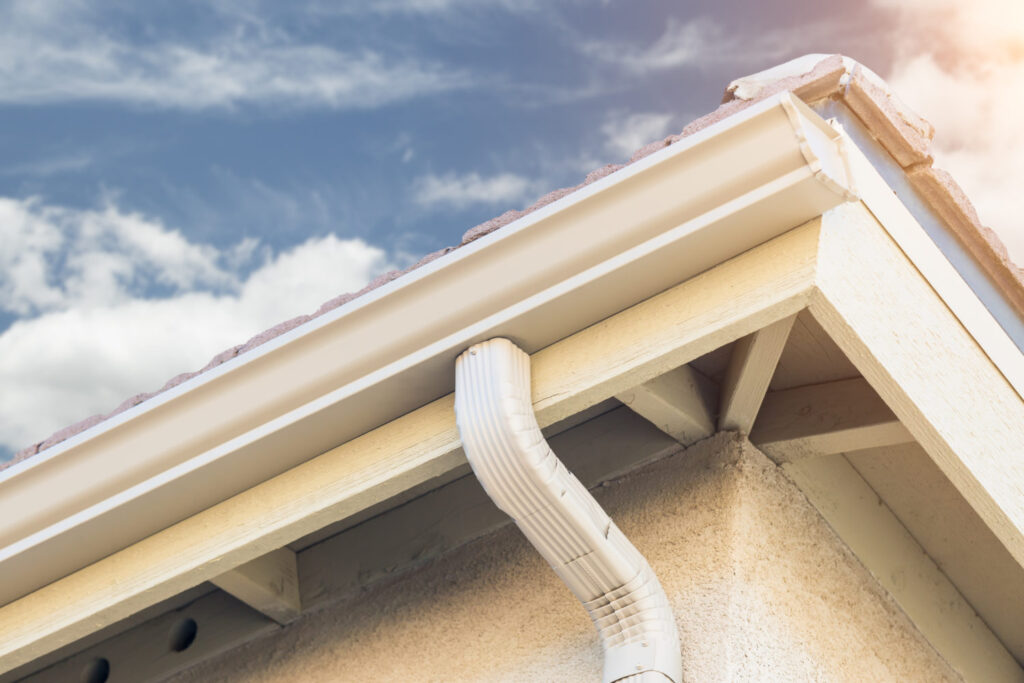
Colorado homeowners experience some of the most demanding weather conditions in the country. From heavy winter snowfall and ice dams to sudden spring thaws and intense summer thunderstorms, the state’s climate places constant stress on residential gutter systems. Installing and maintaining heavy-duty gutters isn’t just a cosmetic upgrade—it’s a critical line of defense for protecting your home’s structure year-round.
Colorado’s Weather Is Hard on Gutters
Unlike milder climates, Colorado experiences rapid freeze-thaw cycles that can damage standard gutter systems. Snow accumulates on roofs, melts during the day, and refreezes overnight. This cycle often leads to ice dams that force water back under shingles or pull gutters away from the fascia due to excess weight.
In the warmer months, Colorado’s weather shifts gears. Afternoon thunderstorms can dump large volumes of rain in a short period, overwhelming undersized or poorly pitched gutters. When water isn’t directed away efficiently, it can pool near foundations, seep into basements, or erode landscaping.
Why Heavy-Duty Gutters Make a Difference
Heavy-duty gutters are designed to handle higher water volumes and heavier snow and ice loads. Thicker materials, reinforced hangers, and proper spacing all contribute to a system that holds up under pressure. Seamless aluminum gutters, for example, reduce the risk of leaks and joint failures—two common problems in older sectional systems.
Larger gutter profiles and properly sized downspouts also play a role. Homes in Colorado often benefit from systems that move water away quickly during rapid snowmelt or intense rain, reducing the chance of overflow and ice buildup.
Ice Dams and Gutter Failure
Ice dams are one of the most destructive winter issues Colorado homeowners face. When gutters aren’t properly installed or are clogged with debris, melting snow has nowhere to go. The result is water backing up under the roofline, potentially damaging shingles, decking, insulation, and interior ceilings.
Heavy-duty gutters, paired with the correct slope and secure mounting, help minimize these risks. When installed correctly, they allow meltwater to drain before refreezing can occur, reducing strain on the system.
Summer Storms and Foundation Protection
Colorado’s summer storms can be deceptively intense. A short burst of heavy rain can overwhelm inadequate gutters, causing water to spill over the sides. Over time, repeated overflow can lead to soil erosion around the foundation, concrete cracks, and basement moisture issues.
Properly designed gutter systems move water several feet away from the home, protecting foundations and preserving the structural integrity of the property. This is especially important for homes built on slopes or expansive clay soils common in many parts of the state.
Professional Installation Matters
Even the best gutter materials won’t perform as intended if they’re poorly installed. Correct pitch, hanger spacing, and downspout placement are critical details that affect long-term performance. This is why many homeowners turn to experienced professionals—such as a trusted Colorado Springs gutter company—for guidance on selecting and installing systems suited to Colorado’s demanding climate.
A professional evaluation ensures that gutter size, materials, and layout align with the home’s roofline, drainage patterns, and exposure to weather extremes.
Long-Term Protection for Colorado Homes
Heavy-duty gutters are an investment in prevention. By reducing the risk of roof damage, foundation issues, and water intrusion, a properly installed system can save homeowners thousands of dollars in future repairs. In a state where weather conditions are anything but predictable, reliable gutters provide peace of mind through every season.
For Colorado homeowners, the question isn’t whether heavy-duty gutters are necessary—it’s whether their current system is truly built to handle what the climate delivers year after year.