
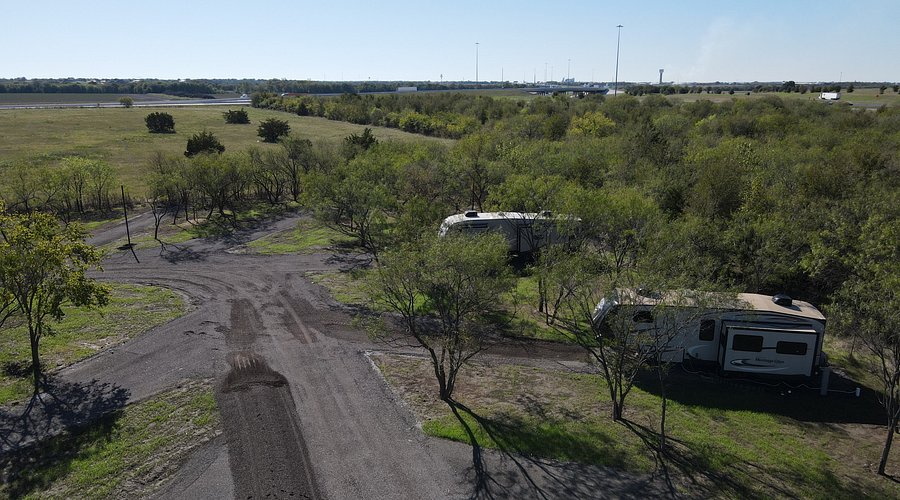
Not every great RV stay needs to feel like a mini theme park. For many travelers, the best stop is the one that gives them room to breathe, a comfortable basecamp, and a little more peace at the end of the day. That is especially true in Central Texas, where the trip itself often includes scenic drives, local stops, fishing, small-town exploring, and evenings outdoors.
A well-chosen RV park can shape the whole tone of a trip. When the setting is quiet, the layout is practical, and the location makes regional travel easier, travelers often get more out of both short visits and longer stays. Instead of rushing from one crowded destination to another, they can settle in, explore at their own pace, and actually enjoy the rhythm of the road.
What Travelers Really Need From an RV Basecamp
When people search for an RV stay, they often start with obvious filters like hookups, rates, or location. Those things matter, but they are only part of the picture. A good basecamp supports how people actually travel.
For most RV guests, the essentials come down to a few key priorities:
- Easy arrival and departure
- A layout that feels open rather than cramped
- A setting that is calm enough to relax in
- Useful amenities that support daily routines
- Access to nearby attractions without constant traffic stress
That balance is what separates a merely functional overnight stop from a place people remember. A park does not need to be flashy to be effective. In many cases, travelers are happier with a property that offers shade, breathing room, and a dependable place to settle in between outings.
Why Smaller, Quieter Parks Appeal to More Travelers
There is a reason many RV travelers start favoring quieter parks after a few trips. Large properties can have plenty of activity, but they can also come with more noise, tighter pacing, and less of the calm many travelers want after a day on the road.
A more peaceful setting works for several travel styles at once. Retirees often appreciate the slower atmosphere. Families like having room for kids to enjoy the outdoors without the trip feeling chaotic. Remote workers benefit from a place where it is easier to focus during the day and unwind at night. Even weekend travelers notice the difference when a short stay feels restful instead of rushed.
This kind of environment also helps create a more natural sense of community. In many smaller parks, people wave, chat, swap travel recommendations, and still keep the kind of personal space that makes RV travel appealing in the first place. That balance can be hard to find in busier locations where guests cycle in and out at a faster pace.
Central Texas Is Best Explored From a Flexible Home Base
One of the biggest advantages of staying in a well-positioned RV park is regional access. Central Texas works well as a road-trip destination because travelers can mix nature, local towns, food stops, and day trips without needing to move camp every night.
A smart home base gives travelers options. One day might include fishing, a lakeside drive, or hiking nearby. Another could focus on antique shopping, local restaurants, or exploring a historic downtown. A longer stay opens up even more possibilities because guests are not packing up constantly just to see what is nearby.
That is where choosing the right location matters. A park with practical highway access can make it much easier to reach different parts of the region while still coming back to a setting that feels removed from the rush. For travelers who want convenience without sacrificing quiet, that combination is often more valuable than a long list of flashy add-ons.
A good example of that kind of setup is Pecan Creek RV Park in Hillsboro. For travelers planning a Central Texas stay, it represents the type of property that makes sense as both a short-term stop and a longer basecamp: comfortable, accessible, and rooted in the kind of outdoor atmosphere many RV guests are actually looking for.
Amenities Matter Most When They Support Real Life
Travelers do not always need more amenities. They need the right ones.
There is a difference between features that sound impressive in a listing and features that genuinely improve a stay. Full hookups, dependable site design, laundry access, useful outdoor space, and areas to walk or unwind often provide more day-to-day value than oversized common areas or amenities guests barely use.
The best amenities usually do three things
They make arrival easier, daily routines smoother, and downtime more enjoyable.
That can include:
- Hookups that reduce setup stress
- Laundry facilities that support longer stays
- Outdoor areas that feel inviting rather than decorative
- Family-friendly features that give kids something to do
- Pet-friendly space that makes travel easier for owners
When those basics are done well, the whole trip feels more manageable. Guests spend less time working around inconveniences and more time enjoying where they are.
Nature is an amenity too
One detail that often gets overlooked is the value of natural surroundings. Mature trees, ponds, trails, and open land can change the feel of a stay completely. They create visual relief, improve the atmosphere, and encourage the kind of slower, more satisfying travel experience many people want from RV life.
That is especially important for guests staying more than a night or two. The longer someone remains in one place, the more those environmental details matter.
Who Benefits Most From This Style of RV Stay
A quiet, well-located RV park is not a niche choice. It appeals to a broad mix of travelers.
Weekend explorers
These guests want a reset without overcomplicating the trip. They need a place that is easy to reach, easy to settle into, and close enough to area attractions to make a quick getaway worthwhile.
Long-term guests
People staying for weeks or months tend to care even more about atmosphere, routine, and comfort. They are not just passing through. They need a place that feels livable.
Families
Families often prefer parks where children can enjoy outdoor space without the whole stay feeling overstimulating. A simpler environment can actually make family travel easier.
Pet owners
Pet-friendly travel works best when there is room to walk, stretch, and keep a comfortable rhythm. That matters far more than pet policies alone.
The Best RV Trips Feel Less Rushed
One of the most common travel mistakes is trying to pack too much into the route. Moving constantly can make a trip feel productive, but not always enjoyable. Many RV travelers end up preferring a slower pattern: stay longer, drive less, and explore more thoughtfully.
That approach only works when the basecamp is worth returning to. A quiet park with practical amenities and a strong location can turn a simple stop into an anchor point for the whole trip. It gives travelers flexibility, comfort, and a better chance to enjoy both the destination and the in-between moments.
Conclusion
The best RV experiences are not always built around the biggest parks or the longest amenity list. Often, they come from choosing a place that makes travel feel easier, calmer, and more connected to the surrounding area. In Central Texas, that means looking for a park that combines access, comfort, and a setting that encourages people to slow down a little.
For travelers who value a peaceful basecamp, outdoor character, and the freedom to explore the region without constant hassle, that style of stay can make all the difference. And as more travelers prioritize comfort and usability over noise and novelty, quiet RV parks will likely continue to stand out for all the right reasons.