
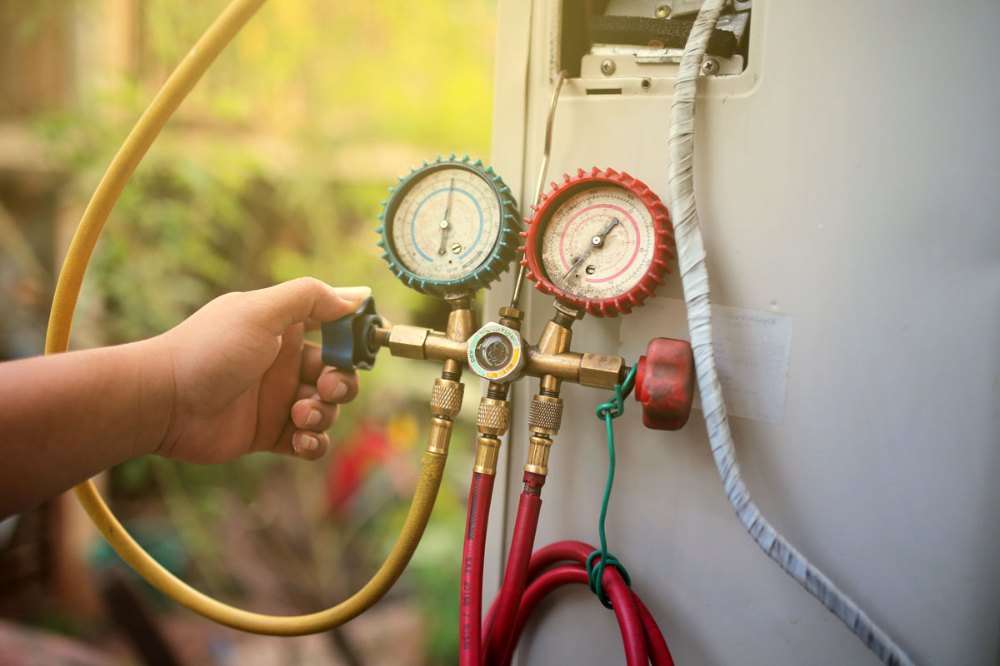
In West Texas, air conditioning isn’t just a comfort—it’s a necessity. When temperatures climb well into the triple digits, a malfunctioning air conditioner can quickly turn a home into an uncomfortable and even unsafe environment. For homeowners in Odessa and surrounding areas, understanding what to do when your cooling system fails can make a stressful situation far more manageable.
This guide explores common causes of AC breakdowns, how to recognize early warning signs, and the steps homeowners can take to respond quickly when their system stops working.
Why Air Conditioning Failures Happen
Air conditioning systems work hard during the long Texas summer. Months of continuous operation can push components to their limits, especially if the system hasn’t received regular maintenance.
Some of the most common causes of AC failure include:
- Dirty or clogged air filters restricting airflow
- Refrigerant leaks that prevent proper cooling
- Electrical issues such as faulty wiring or capacitor failure
- Frozen evaporator coils caused by airflow restrictions
- Thermostat malfunctions leading to incorrect temperature readings
- Aging equipment that can no longer handle demand
Even well-maintained systems can break down unexpectedly during peak heat waves when cooling units are running nearly nonstop.
Warning Signs Your AC May Be About to Fail
In many cases, an air conditioner gives subtle warning signs before it stops working entirely. Recognizing these signals early can help homeowners avoid a complete breakdown.
1. Weak Airflow
If air coming from your vents feels weak, it could indicate a clogged filter, duct blockage, or failing blower motor.
2. Warm Air Instead of Cool Air
When your system runs but blows warm air, the issue could involve refrigerant levels, compressor problems, or thermostat settings.
3. Unusual Noises
Grinding, buzzing, or rattling sounds often signal mechanical issues. AC units typically run with a low, consistent hum, so unusual sounds should never be ignored.
4. Frequent Cycling
If your air conditioner turns on and off frequently, it may be struggling to maintain the desired temperature.
5. Rising Energy Bills
A sudden increase in electricity costs without changes in usage may indicate your system is working harder than it should.
Addressing these symptoms early often prevents a minor issue from turning into a full system failure.
Immediate Steps to Take When Your AC Stops Working
When your air conditioner suddenly shuts down, it’s easy to feel overwhelmed—especially during extreme heat. However, a few quick checks can help determine whether the issue is simple or requires professional attention.
Start With These Quick Troubleshooting Steps
Check the thermostat
- Ensure it is set to “cool” and the temperature is lower than the current room temperature.
Inspect the circuit breaker
- AC systems sometimes trip breakers during heavy use.
Look at the air filter
- A severely clogged filter can restrict airflow and cause the system to shut down.
Check the outdoor unit
- Remove debris such as leaves, dirt, or grass clippings blocking airflow.
If these steps do not resolve the issue, the problem may involve internal components that require trained technicians.
Why Fast Repairs Matter in West Texas
The climate in Odessa creates unique challenges for HVAC systems. High temperatures, dry air, and dust can all contribute to faster wear and tear.
When cooling systems fail during the summer, several problems can arise quickly:
- Indoor temperatures rise rapidly
- Humidity and air quality may worsen
- Electronics and appliances may overheat
- Sleep and comfort are disrupted
- Vulnerable individuals may face health risks
Because of these factors, homeowners often need rapid assistance when cooling systems stop functioning.
For situations where cooling loss cannot wait, homeowners sometimes turn to services specializing in emergency AC repair in Odessa to restore comfort as quickly as possible.
Preventing Future AC Emergencies
While not every breakdown can be avoided, preventative care significantly reduces the likelihood of unexpected failures.
Schedule Routine Maintenance
Annual HVAC maintenance allows technicians to inspect critical components, clean internal parts, and identify potential problems early.
Replace Filters Regularly
Air filters should typically be changed every 1–3 months depending on household conditions such as pets, dust, or allergies.
Keep Outdoor Units Clear
Outdoor condenser units require open airflow to operate efficiently. Maintain at least two feet of clearance around the unit.
Upgrade Aging Systems
Air conditioners generally last between 10 and 15 years. Older systems become less efficient and more prone to breakdowns.
Install a Programmable Thermostat
Smart or programmable thermostats help regulate cooling cycles and reduce unnecessary strain on the system.
These proactive steps can extend equipment life and reduce the likelihood of costly emergency repairs.
Choosing a Reliable HVAC Professional
When an AC system fails unexpectedly, choosing the right repair service becomes crucial. A qualified HVAC technician should be able to diagnose problems quickly and provide clear explanations of available solutions.
When evaluating service providers, homeowners often consider:
- Experience with residential HVAC systems
- Licensing and certifications
- Transparent pricing
- Availability for urgent repairs
- Positive reputation within the community
A knowledgeable technician not only fixes the immediate issue but also helps homeowners understand how to prevent future problems.
Conclusion
Living in West Texas means relying heavily on air conditioning systems to stay comfortable during intense summer heat. While AC breakdowns can happen unexpectedly, understanding common warning signs and knowing how to respond can make a significant difference.
Regular maintenance, timely repairs, and attention to early symptoms all help reduce the risk of sudden system failures. And when cooling problems arise during extreme temperatures, acting quickly ensures that homes remain safe, comfortable, and livable throughout the hottest months of the year.