
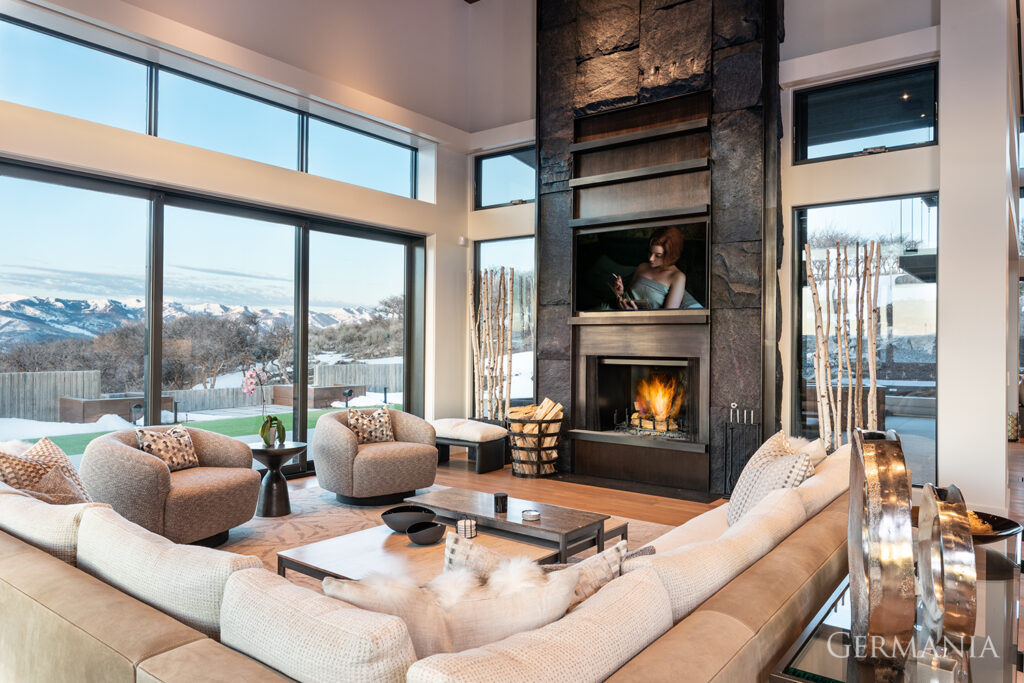
When buyers walk into a property, they’re not just evaluating square footage or layout — they’re making emotional decisions within seconds. In the luxury market especially, purchasing a home is as much about feeling as it is about logic. This is where interior design plays a powerful, often underestimated role.
Understanding how design influences buyer perception can reveal why some homes sell quickly with strong offers, while others sit on the market despite similar features.
First Impressions Are Formed Instantly
Research in real estate consistently shows that buyers form opinions within moments of entering a property. Before they analyze floor plans or pricing, they subconsciously assess how the space feels.
Elements that shape this first impression include:
- Lighting and openness
- Color palettes and textures
- Furniture placement and flow
- Overall cohesion of the space
A well-designed interior creates clarity and comfort, helping buyers immediately imagine themselves living there.
Buyers Don’t Just See a Home — They Imagine a Lifestyle
Luxury buyers are often looking beyond basic functionality. They want to envision how a home supports their lifestyle, whether that includes entertaining guests, working from home, or relaxing in a calm, curated environment.
Design helps communicate this lifestyle by:
- Defining how each space is used
- Highlighting focal points like living areas or outdoor spaces
- Creating a sense of balance between comfort and sophistication
Without this visual storytelling, even high-end properties can feel empty or undefined.
Empty Spaces Can Be Harder to Sell
Contrary to what many assume, empty homes don’t always showcase potential. In fact, they can make it harder for buyers to understand scale, purpose, and layout.
Unfurnished or poorly designed spaces can:
- Feel smaller or less inviting
- Lack visual direction
- Make it difficult to judge proportions
Thoughtful design solves this by guiding the eye and helping buyers interpret how each area functions.
Design Reduces Decision Fatigue
Buying a home involves countless decisions, from layout preferences to renovation possibilities. When a property already feels complete and well-designed, it reduces the mental effort required from the buyer.
This leads to:
- Faster decision-making
- Greater confidence in the purchase
- Stronger emotional attachment to the property
A cohesive interior removes uncertainty, making it easier for buyers to say yes.
Market Expectations Shape Design Choices
Different markets have different expectations, especially in luxury real estate. What appeals to buyers in one city may not resonate in another.
For example, in a market like Austin:
- Modern, clean aesthetics are often preferred
- Functional outdoor spaces add significant appeal
- Neutral tones with subtle accents tend to attract broader interest
Aligning design with local preferences ensures that the property feels relevant and desirable to the right audience.
The Role of Detail in Perceived Value
In high-end properties, small details can significantly influence perceived value. Buyers often associate quality with attention to detail.
This includes:
- Consistency in materials and finishes
- Thoughtful furniture selection and placement
- Clean, uncluttered presentation
- Balanced use of color and texture
Even minor inconsistencies can disrupt the overall impression, while cohesive design enhances perceived worth.
Why Design Impacts Sale Speed
Homes that feel complete and visually appealing tend to generate more interest early on. This often results in:
- Increased foot traffic during showings
- Stronger emotional responses from buyers
- Competitive offers in a shorter timeframe
Design doesn’t just improve aesthetics — it influences how quickly a property moves through the market.
Understanding the Bigger Picture
Interior design is not just about decoration; it’s a strategic tool that shapes how buyers perceive and interact with a space. It bridges the gap between a physical property and the emotional experience of living in it.
For those exploring how design strategies are applied specifically in real estate projects, this page on Interior Design provides additional context on how spaces are prepared to meet market expectations.
Final Thoughts
In today’s competitive real estate landscape, especially in the luxury segment, design is no longer optional — it’s essential. Buyers are drawn to spaces that feel intentional, functional, and emotionally engaging.
By understanding the psychology behind these decisions, it becomes clear why well-designed homes stand out, sell faster, and often achieve stronger results in the market.