
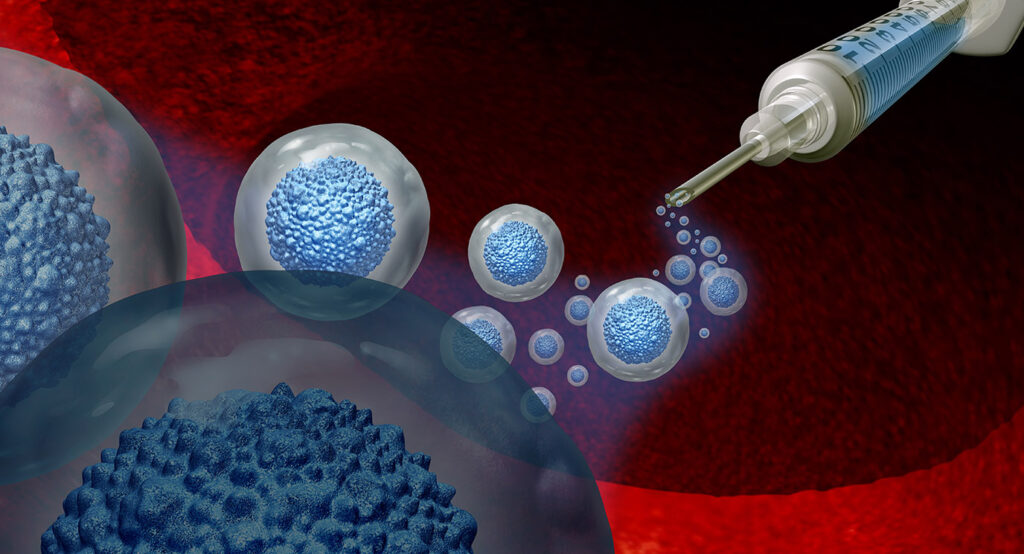
In the sophisticated landscape of modern hematology, the allogeneic hematopoietic stem cell transplant (HSCT) stands as a beacon of hope for patients battling aggressive blood cancers like leukemia, lymphoma, and myelodysplastic syndromes. This procedure is not merely a treatment; it is a biological renovation. By replacing a patient’s diseased bone marrow with healthy stem cells from a donor, physicians aim to cure the underlying malignancy. However, this exchange involves more than just blood-forming cells; it involves the transplantation of an entirely new immune system. While this new system is the patient’s greatest ally against cancer, it can also become a formidable adversary, leading to a complex and potentially severe complication known as Stem Cell Graft versus host disease (GvHD).
The Immunological Paradox
To understand the mechanics of GvHD, one must appreciate the fundamental nature of the immune system. The human body is programmed to distinguish “self” (its own tissues) from “non-self” (viruses, bacteria, or foreign cells). In an allogeneic transplant, the “graft” refers to the donor’s stem cells, which include potent immune cells called T-lymphocytes (T-cells). The “host” is the patient receiving the transplant.
Ideally, these donor T-cells will recognize and destroy any remaining cancer cells in the patient—a beneficial phenomenon known as the Graft-versus-Tumor (GVT) effect. This surveillance is often what prevents the cancer from returning. However, in GvHD, these same T-cells fail to recognize the patient’s healthy tissues as “safe.” Instead, they identify the skin, liver, and digestive tract as foreign invaders and launch an inflammatory attack. This immunological tug-of-war is the primary barrier to the long-term success of allogeneic transplantation.
The Clinical Spectrum: Acute Presentation
GvHD is clinically categorized into two distinct forms: acute and chronic. While historically defined by a 100-day cutoff, modern medicine classifies them based on their specific clinical presentations and biological behavior.
Acute GvHD typically manifests early in the post-transplant period, often coinciding with the time the new stem cells begin to engraft and produce new blood cells. It is characterized by a rapid, inflammatory response that primarily targets three specific organ systems:
- The Skin: This is often the first and most common sign. It typically presents as a maculopapular rash, often starting on the palms of the hands and soles of the feet before spreading to the trunk and limbs. In severe cases, it can resemble a severe scald or blistering sunburn.
- The Liver: Damage here is often clinically silent in the early stages, detected only through blood tests showing elevated bilirubin and liver enzymes (alkaline phosphatase). As the condition progresses, visible jaundice (yellowing of the skin and eyes) may appear.
- The Gastrointestinal Tract: This presents perhaps the most debilitating symptoms, including nausea, persistent vomiting, and voluminous, watery diarrhea. Severe gut involvement can lead to abdominal pain, gastrointestinal bleeding, and malabsorption of nutrients.
The Systemic Nature of Chronic GvHD
Chronic GvHD is a distinct entity that can develop de novo or progress from the acute form. It typically appears later and functions more like a systemic autoimmune disorder, sharing features with conditions such as scleroderma or lupus. Its reach is extensive and can affect nearly every organ system in the body:
- The Eyes: Patients may experience severe dryness (sicca syndrome), photophobia, and irritation, requiring constant lubrication.
- The Mouth: Symptoms include painful ulcers, extreme dryness, and sensitivity to acidic or spicy foods, which can severely impact nutrition.
- The Lungs: A serious manifestation known as bronchiolitis obliterans can occur, causing shortness of breath and a chronic, non-productive cough due to airway obstruction.
- The Musculoskeletal System: Chronic inflammation can lead to joint stiffness, muscle cramps, and fasciitis, restricting mobility.
- The Skin: Unlike the red rash of acute GvHD, chronic skin changes often involve thickening, tightening (sclerosis), and changes in pigmentation.
Risk Stratification and Prevention
The probability of developing this condition is influenced by several key variables. The most critical factor is the degree of Human Leukocyte Antigen (HLA) mismatch between the donor and recipient. A “perfect match” (typically a sibling) carries the lowest risk, while mismatched unrelated donors carry a significantly higher risk. Other factors include the age of the donor and recipient (risk increases with age), the intensity of the conditioning regimen, and the gender of the donor (specifically, female donors for male recipients can increase risk due to prior sensitization during pregnancy).
Prevention is the cornerstone of successful management. Leading medical centers likeLiv Hospital employ rigorous protocols to mitigate these risks from day one. This includes precise high-resolution HLA typing to select the best possible donor and the prophylactic use of immunosuppressive medications. Drugs such as methotrexate, cyclosporine, tacrolimus, and mycophenolate mofetil are routinely administered post-transplant to “calm” the new immune system, allowing it to engraft without attacking the host tissues.
The Therapeutic Landscape
When GvHD does occur, the standard first-line treatment is high-dose corticosteroids (e.g., prednisone or methylprednisolone). These potent anti-inflammatories work to suppress the immune response rapidly. However, long-term steroid use carries its own risks, including infection and metabolic changes.
For patients who do not respond to steroids—a condition known as steroid-refractory GvHD—the medical landscape has expanded significantly in recent years. Newer targeted therapies have emerged, such as JAK inhibitors (e.g., ruxolitinib), which interrupt the specific signaling pathways that drive inflammation. Other sophisticated approaches include Extracorporeal Photopheresis (ECP). In this procedure, the patient’s white blood cells are collected, treated with a photosensitizing agent and ultraviolet light to inhibit their activity, and then re-infused. This helps modulate the immune system without the broad, systemic suppression caused by high-dose steroids.
Embracing the Journey to Wellness
Recovering from a stem cell transplant complicated by GvHD is a marathon that requires patience, resilience, and a multifaceted approach to health. Patients must be vigilant about infection prevention, as the treatments for GvHD often leave the immune system compromised for extended periods. Regular skincare, meticulous dental hygiene, and physical therapy to maintain joint mobility are essential components of daily care.
As the body slowly adapts and immunological tolerance is achieved, the focus shifts from acute medical management to long-term survivorship. This transition requires a holistic approach, integrating physical health with mental and emotional well-being. Resources that explore the intersection of medical recovery and lifestyle, such aslive and feel, offer valuable guidance for transplant survivors. By nurturing the body through balanced nutrition and mindful living, patients can navigate the complexities of post-transplant life and embrace a future defined not by illness, but by renewed vitality.