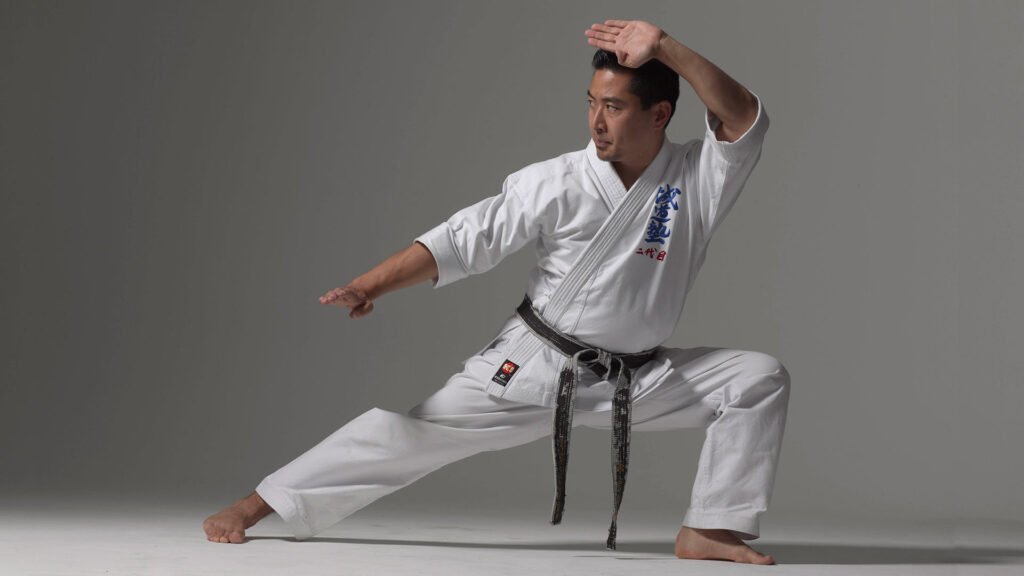
Karate is one of the martial arts originating from Japan that has spread across the world, including Thailand. A country widely known for its native martial art, Muay Thai, Thailand has also experienced significant growth in karate. Over time, karate in Thailand has evolved beyond a simple physical activity into a competitive sport recognized at both national and international levels https://www.karatekidsgym.com/index_lay-show-ac-article-Id-538702550.html .
Karate was introduced to Thailand around the mid-20th century, during a period when cultural relations between Japan and Thailand were strengthening. At that time, Japanese martial artists began introducing karate techniques to Thai society, particularly among the military, students, and sports communities. Initially, karate was practiced only by certain groups who had access to specialized training. However, as time passed, public interest in karate continued to grow.
In its early stages of development, karate in Thailand focused heavily on traditional aspects such as discipline, fundamental techniques, and martial philosophy. Training was conducted in a simple manner, emphasizing mastery of movements like kihon (basic techniques), kata (forms), and kumite (sparring). Values such as respect, self-control, and perseverance became essential elements in every training session. This made karate not only a sport but also a means of character development.
As its popularity increased, karate in Thailand began to evolve in a more modern direction. Many international coaches, especially from Japan and other countries, came to Thailand to share their knowledge and experience. Their presence introduced more structured and professional training standards. Dojos (karate training centers) began to emerge in major cities such as Bangkok, Chiang Mai, and Phuket, making karate more accessible to the general public https://www.karatekidsgym.com/index_lay-show-ac-article-Id-538702550.html .
The growth of karate in Thailand has also been supported by the establishment of official organizations and federations that regulate activities and competitions. These institutions play a crucial role in setting regulations, organizing championships, and developing young talented athletes. With a well-structured system in place, karate in Thailand has been able to grow in a more organized and sustainable way.
One of the key factors in the transformation of karate in Thailand is its inclusion in various competitive events. What was once limited to training sessions and demonstrations has now become an officially contested sport. Local, national, and international championships are regularly held, providing athletes with opportunities to improve their skills and achieve success.
In addition, the Thai government has shown increasing support for the development of karate. The sport has been introduced into educational programs in some schools and universities, allowing younger generations to learn and practice it from an early age. This support not only increases the number of practitioners but also helps ensure a continuous regeneration of athletes.
In the modern era, technology and social media have also played a significant role in promoting karate in Thailand. Many athletes and dojos use digital platforms to share training sessions, techniques, and achievements. This has made karate more widely recognized, especially among younger generations who are active online.
Today, karate in Thailand has undergone a remarkable transformation. From a traditional martial art, it has developed into a modern and professional competitive sport. Thai athletes have begun to achieve success in international competitions, proving their ability to compete on a global stage.
Despite these advancements, the traditional values of karate remain preserved. Discipline, respect, and fighting spirit continue to serve as the foundation of every training session. This balance between tradition and modernity is what makes the development of karate in Thailand unique and compelling.
With increasing support from various sectors, the future of karate in Thailand https://www.karatekidsgym.com/index_lay-show-ac-article-Id-538702550.html looks very promising. The sport is not only a way to maintain physical fitness and self-defense skills but also a pathway for many individuals to achieve excellence and bring pride to their country on the international stage.