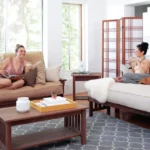

In the world of high-end residential construction, the difference between a good renovation and a great one lies in the execution of details. For Los Angeles homeowners, the journey from a two-dimensional blueprint to a three-dimensional living space is often fraught with complexity. It requires a builder who not only understands the technical requirements of structural engineering but also possesses the artistic sensitivity to preserve the soul of a home. Viewing a portfolio of Nobel Builders Projects offers a clear window into this process, demonstrating how disparate elements, tile, timber, light, and space, are synthesized into cohesive environments that elevate the daily experience of living.
The Narrative of Space: Beyond the Floor Plan
A successful remodel tells a story. It is not merely about replacing old cabinets with new ones; it is about reimagining how a family interacts with their environment. The most compelling projects start with a narrative about flow and utility. In the current Los Angeles market, we are seeing a shift away from the cavernous, undefined open-concept spaces of the early 2000s toward “broken plan” living. This design philosophy maintains the sense of airiness and light that open plans provide but uses subtle architectural cues to define distinct zones.
Defining Zones Without Walls
This is achieved through changes in floor levels, variations in ceiling treatments, or the strategic placement of double-sided fireplaces. For instance, a recent trend involves using distinct flooring materials to delineate the kitchen from the living area without a physical barrier. A kitchen might feature large-format porcelain slabs that transition seamlessly into wide-plank white oak in the lounge area. This visual cue signals a change in function, from a workspace to a relaxation space, while maintaining the social connection between the cook and the guests. These are the subtle design decisions that transform a house from a collection of rooms into a harmonious ecosystem.
The Role of Natural Light
Light is perhaps the most critical “material” in any luxury project. The best renovations treat natural light as a structural element. This involves more than just adding windows; it requires calculating the sun’s path throughout the day to maximize illumination while minimizing heat gain. Clerestory windows, narrow windows placed high on the wall, are increasingly popular in single-story renovations. They wash the ceiling with light, making the room feel taller and more expansive, while maintaining complete privacy from neighbors. This technique is particularly effective in dense neighborhoods, proving that privacy and brightness are not mutually exclusive.
Materiality and Texture: The Tactile Experience
In an era of digital dominance, there is a profound hunger for the tangible. Luxury is no longer defined by gloss and glitter but by texture and authenticity. Homeowners are gravitating toward materials that feel good to the touch and that age with grace. This “tactile luxury” is evident in the resurgence of natural stones with honed or leathered finishes, which offer a softer, more organic feel than the high-polish granite of decades past.
The Return of Wood and Warmth
Wood cabinetry is making a significant comeback, replacing the ubiquitous high-gloss white kitchens. We are seeing a preference for walnut and rift-sawn oak, materials that bring warmth and character to a space. The grain of the wood acts as a natural art form, breaking up the monotony of painted surfaces. This extends to architectural details as well; exposed beams, tongue-and-groove ceilings, and slat walls are being used to add acoustic dampening and visual warmth to modern interiors. These elements ground the space, preventing the “museum effect” where a home feels too precious to be lived in.
The Spa Bathroom Revolution
Nowhere is the focus on materiality more evident than in the primary bathroom. These spaces are being transformed into wet rooms where the walls, floors, and even the ceilings are clad in stone or ceramic. The elimination of grout lines through the use of large-format slabs or Tadelakt plaster creates a monolithic, soothing environment that mimics a high-end wellness retreat. The tactile experience of stepping onto a heated stone floor or touching a solid brass fixture adds a layer of sensory pleasure to daily rituals, turning mundane tasks into moments of luxury.
The Technical Backbone: Precision in the Unseen
While the finish materials steal the show, the success of a remodel is rooted in the infrastructure that nobody sees. A portfolio of high-quality projects is built on a foundation of rigorous engineering and precise rough carpentry.
Structural Integrity and Openings
Modern renovations often involve removing load-bearing walls to create the expansive layouts homeowners desire. This requires the installation of significant steel or engineered lumber beams. The precision required to bury these structural elements within the ceiling joists, so that the finished ceiling is perfectly flat and uninterrupted, is the hallmark of a master builder. It allows for the installation of massive multi-slide door systems that span twenty feet or more, dissolving the barrier between indoor and outdoor living. If the header sags even a fraction of an inch, those doors will not operate smoothly. Therefore, the “invisible” work of framing and leveling is arguably more important than the visible work of tiling.
Future-Proofing with Technology
A modern home must also be a smart home, but the technology should be unobtrusive. We are moving past the era of clunky wall switches and visible wires. High-end projects now integrate technology directly into the building fabric. This includes structured wiring for mesh Wi-Fi networks that penetrate dense walls, low-voltage LED lighting systems that offer color-tuning capabilities, and automated shading pockets recessed into the ceiling. The goal is for the home to anticipate the needs of the occupant, lights that dim automatically in the evening, shades that lower during the hottest part of the day, without the technology ever becoming the focal point.
Outdoor Living: The Final Frontier
In Southern California, the concept of “square footage” effectively extends to the property line. A renovation is incomplete if it does not address the outdoor spaces. The current standard for luxury is the “outdoor room”, a fully furnished patio that functions as a second living room.
This goes beyond a simple BBQ grill. We are seeing full outdoor kitchens with pizza ovens, refrigeration, and bar seating, sheltered under architectural pergolas that feature built-in heaters and lighting. The landscaping is designed to frame these spaces, using drought-tolerant plantings to create privacy screens and visual interest. The integration of the pool and spa into this layout is critical; they are no longer just recreational features but water elements that provide visual tranquility and acoustic masking of city noise.
A luxury home renovation is a complex symphony of design, engineering, and craftsmanship. It is about creating spaces that are not only beautiful to look at but effortless to live in. It requires a builder who respects the emotional and financial investment of the homeowner and who possesses the technical expertise to deliver on ambitious visions. By focusing on flow, materiality, and unseen precision, a house is transformed into a legacy, a place that will shelter and inspire its inhabitants for generations.
Experience the Nobel Standard of Excellence
If you are looking for a partner to bring your dream home to life with precision and artistry, Nobel Builders is ready to serve you. We invite you to explore our past work to understand the depth of our commitment to quality. Our team is dedicated to guiding you through every phase of the construction process, ensuring that your project is delivered on time, within budget, and to the highest standards of craftsmanship. Let us build your future together.