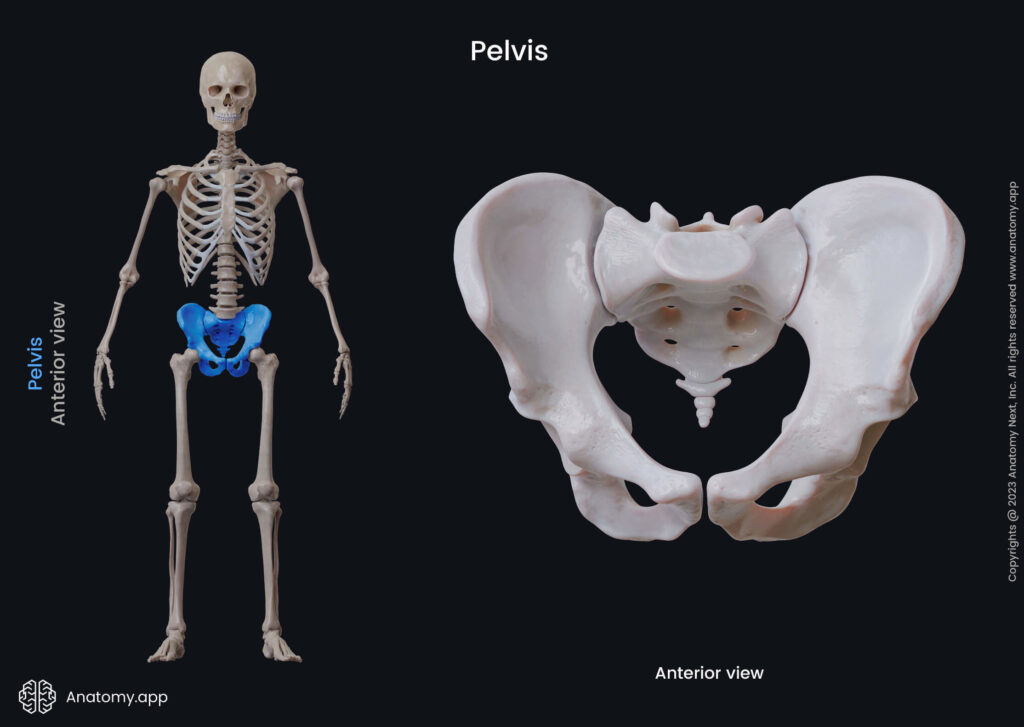
- Yes, pelvic restriction can impact fertility. Reduced mobility, scar tissue, and misalignment can interfere with blood flow, nerve signaling, and organ positioning.
- Sitting too much matters. Prolonged sitting shortens hip flexors, compresses the sacrum, and limits circulation to reproductive organs.
- Old injuries don’t disappear. Falls, car accidents, sports injuries, or surgeries can create lasting compensations in the pelvis.
- Manual therapy can help. Targeted, external abdominal and pelvic bodywork may support mobility, circulation, and nervous system regulation.
- Fertility is whole-body. Hormones, stress, posture, breath, and movement all interact with pelvic health.
“The pelvis is not just a container for reproductive organs—it’s a living, responsive structure that reflects how we move, sit, breathe, and heal.” — Joanna, Rebirth Maya Massage
My Perspective as a Pelvic-Focused Bodyworker
I’m Joanna, the owner of Rebirth Maya Massage, and for years I’ve worked closely with people navigating fertility challenges, pelvic discomfort, and the emotional weight that often comes with both. What I’ve learned—through hands-on experience, continued education, and listening deeply to my clients—is that fertility is rarely just about hormones alone.
It’s about structure.
It’s about circulation.
It’s about whether the pelvis can actually move.
When someone tells me, “Everything looks normal on paper, but my body doesn’t feel right,” I pay attention. Because the body keeps records long after injuries fade from memory.
What Does It Mean When the Pelvis Is “Stuck”?
When I say a pelvis is “stuck,” I’m not talking about bones frozen in place. I’m talking about restricted motion, limited adaptability, and tissues that no longer glide the way they’re meant to.
Mobility vs. Stability
The pelvis is designed to be both stable and mobile. It anchors the spine, connects the legs, and houses reproductive organs—yet it must subtly shift with every step, breath, and posture change.
When mobility is lost:
- Muscles overwork to compensate
- Fascia tightens
- Organs lose optimal movement
That’s when symptoms start appearing elsewhere.
The Pelvis as a Crossroads
The pelvis is where:
- Blood vessels branch
- Nerves communicate
- Lymphatic fluid drains
- Hormonal feedback loops interact
Restriction here doesn’t stay local—it ripples outward.
The Sedentary Lifestyle Problem No One Talks About
Many of my San Diego clients are active in spirit but sedentary in reality. Long hours at desks, in cars, or on couches quietly shape the pelvis.
Sitting, Hip Flexors, and Sacral Compression
Prolonged sitting:
- Shortens hip flexors
- Tucks the pelvis under
- Compresses the sacrum
Over time, this changes how weight is distributed and how organs are supported.
Circulation and Lymphatic Flow
Movement is what pumps blood and lymph. When we sit too much:
- Blood flow to reproductive organs decreases
- Lymphatic drainage slows
- Inflammation lingers
This is why many people also benefit from lymphatic massage San Diego services as part of a broader wellness plan.
How Old Injuries Show Up Years Later
One of the most surprising moments for clients is realizing that an injury from years ago still matters.
Falls, Car Accidents, and Sports Trauma
A slip on the stairs.
A rear-end collision.
A high school sports injury.
Even if pain resolved, the body may have adapted in ways that limit pelvic motion today.
Surgical Scars and Adhesions
C-sections, laparoscopic procedures, and abdominal surgeries can create internal adhesions. These adhesions restrict tissue glide and may influence organ positioning.
Why Pelvic Restrictions Matter for Fertility
Fertility depends on communication—between brain, glands, organs, and tissues.
Blood Flow and Oxygenation
Healthy reproductive function requires consistent blood supply. Restricted tissues can limit nourishment to the uterus and ovaries.
Nerve Signaling and Hormonal Feedback
Nerves carry messages that regulate cycles, ovulation, and implantation. Compression or irritation can disrupt those signals.
This is why some people integrate manual work alongside an evidence-based fertility protocol, ensuring structural health supports medical care.
Signs Your Pelvis May Be Holding Tension
You don’t need pain to have restriction. Common signs include:
- Chronic low back or hip tightness
- Painful or irregular cycles
- Digestive discomfort
- Feeling “disconnected” from the pelvic area
- Difficulty relaxing the lower abdomen
How External Abdominal Work Supports Fertility
My approach focuses on external abdominal massage for fertility, meaning all techniques are gentle, respectful, and performed outside the body.
Gentle, External Techniques Explained
This work supports:
- Improved tissue mobility
- Circulation enhancement
- Nervous system calming
It complements—not replaces—medical care and can be part of a broader integrative plan alongside therapies like Mercier therapy in San Diego or Mayan abdominal womb massage in San Diego, when appropriate.
The Nervous System, Stress, and Conception
Stress doesn’t just live in the mind—it lives in tissue. When the nervous system is constantly in “go” mode:
- Pelvic floor muscles tighten
- Blood flow prioritizes survival over reproduction
- Hormonal rhythms shift
Creating safety in the body is foundational.
Movement, Breath, and Daily Habits That Matter
Small changes add up:
- Standing breaks during work
- Gentle hip-opening movements
- Diaphragmatic breathing
- Mindful posture
These habits reinforce the work done on the table.
How My Work at Rebirth Maya Massage Fits In
At Rebirth Maya Massage, I don’t offer one-size-fits-all care. Each session begins with conversation, assessment, and education.
Education, Assessment, and Individualized Care
I help clients understand:
- Their pelvic patterns
- How lifestyle influences fertility
- What their body is asking for
👉 Learn more at Rebirth Maya Massage.
To explore whether this approach may be supportive for you, Visit www.rebirthmayamassage.com to book a virtual evaluation.
Local Context: Supporting Fertility in San Diego
San Diego’s fast-paced lifestyle, long commutes, and tech-heavy work culture make pelvic stagnation common. My work is rooted in serving this community with grounded, trauma-informed care—whether someone is preparing for pregnancy, navigating postpartum recovery, or seeking reconnection through practices like Yoni Steam San Diego offerings.
Who This Work Is (and Is Not) For
This work may be supportive if you:
- Feel “stuck” physically or emotionally
- Have unexplained fertility challenges
- Want integrative, body-based support
It may not be appropriate if:
- You’re seeking a quick fix
- You’re not cleared for bodywork by your provider
Final Thoughts: Reconnecting With Your Pelvis
Your pelvis tells a story. Of movement and stillness. Of injuries remembered and forgotten. Of stress held quietly.
When we restore awareness and mobility here, we don’t just support fertility—we support wholeness.
Conclusion
A “stuck” pelvis isn’t a diagnosis—it’s an invitation. An invitation to listen, to move differently, and to support the body as an integrated system. Fertility is not isolated to one organ or hormone. It’s woven through posture, breath, circulation, and nervous system health. My role is to help you reconnect those threads with care, clarity, and respect for your body’s wisdom.
FAQs
Can a sedentary lifestyle really affect fertility?
Yes. Prolonged sitting can reduce circulation, limit pelvic mobility, and influence nervous system regulation—all of which play roles in reproductive health.
Do old injuries still matter if I’m not in pain?
Absolutely. The body often compensates silently, and those patterns can persist for years.
Is abdominal massage safe when trying to conceive?
When performed externally and appropriately, it can be a gentle, supportive modality. Always coordinate with your healthcare provider.
How long does it take to notice changes?
Every body is different. Some notice subtle shifts quickly; others experience gradual changes over time.
Does this replace medical fertility treatment?
No. This work complements medical care and supports the body structurally and neurologically.