
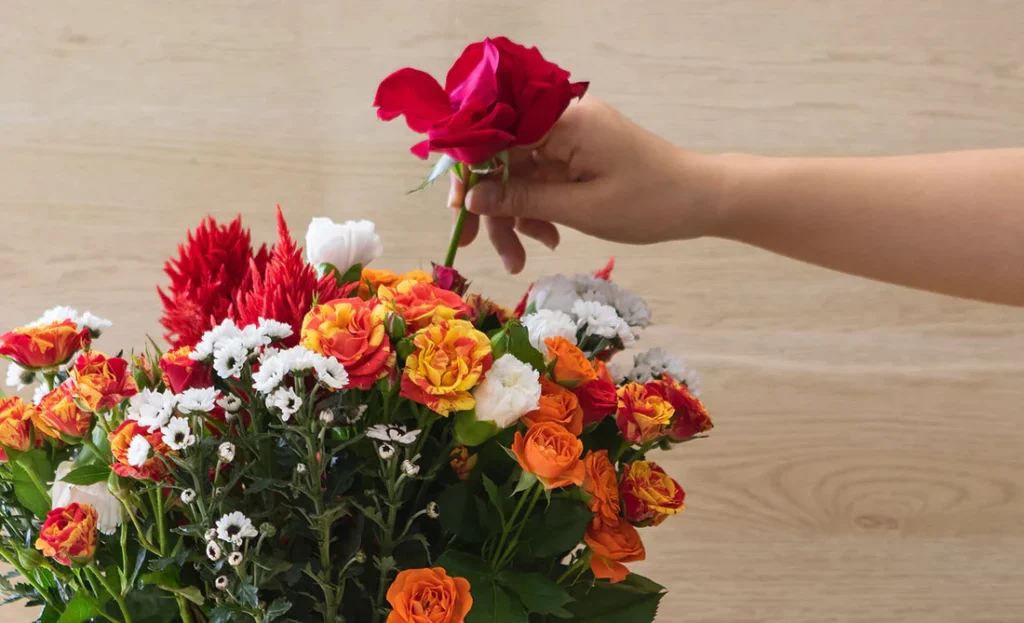
Did you know that a premium bouquet of roses can lose half its lifespan in just 60 seconds if exposed to the freezing Latvian winter air without proper insulation? For many in Riga, the excitement of receiving a beautiful floral delivery is often followed by the disappointment of seeing petals wilt within just a few days.
The primary challenge lies in the dramatic temperature shifts between the climate-controlled delivery van and the dry, overheated interiors of Latvian apartments during the heating season. This “thermal shock” combined with low indoor humidity creates an environment where flowers struggle to move water from the vase to the bloom.
Understanding a comprehensive Krokus.lv flower maintenance guide is critically important for anyone wanting to preserve their investment. By following these professional steps, you will transform a standard delivery into a long-lasting centerpiece that remains vibrant for ten days or more.
What is Professional Flower Care in the Latvian Context and Why Pay Attention?
In our region, flower care isn’t just about water; it’s about managing a transition through extreme environmental variables. Flower care tips Riga residents should follow must account for the specific “micro-climates” created by cast-iron radiators and high-rise apartment insulation.
When we speak of professional maintenance, we are referring to the biological management of the flower’s vascular system. Once a flower is cut, its ability to fight bacteria and pull nutrients is compromised, making external intervention necessary for survival.
Paying attention to these details is vital because flowers in Latvia are often imported from warmer climates like the Netherlands, Ecuador, or Kenya. These blooms arrive with specific “dormant” energy that can only be unlocked if the transition from the delivery van to your vase is handled with scientific precision.
Common Mistakes to Avoid Regarding Delivered Flowers
Even the most beautiful arrangement can be unintentionally sabotaged by common household habits. To extend the life of your gift, avoid these frequent errors:
- Immediate Unwrapping in Winter: Removing the protective transport paper the moment you step inside is a major mistake. How to keep roses fresh in winter starts with letting the bouquet sit in its wrapping for 15-30 minutes to reach room temperature gradually.
- The “Radiator Trap”: Placing a vase on a windowsill or table near a heater is the fastest way to dehydrate a bloom. Indoor heating sucks moisture out of the petals faster than the stems can replenish it, leading to “bent neck” in roses.
- Using Dull Scissors: Crushing the stem with kitchen shears closes the water-conducting vessels (xylem). Without a clean, sharp cut, the flower effectively “starves” for water even in a full vase.
- Ignoring the Fruit Bowl: Keeping your flowers next to ripening apples or bananas is a silent killer. These fruits release ethylene gas, a ripening hormone that causes flowers to age prematurely and drop their petals.
Step-by-Step Guide: How to Effectively Use the Krokus.lv Flower Maintenance Guide
To ensure your bouquet reaches the 10-day milestone, you must treat the first hour after delivery as the “golden hour” for floral health.
- First Step: Gradual Acclimatization When the Krokus.lv courier hands you the bouquet, keep it in its paper wrapping. Place it in a cool part of the room (away from heaters) for at least 20 minutes to prevent the vascular system from “seizing” due to the sudden temperature jump.
- Second Step: Preparing the Sterile Environment Wash your vase with soap and a drop of bleach to kill lingering bacteria. Bacteria are the #1 cause of flower death, as they clog the stem’s “veins” and prevent water absorption. Fill the vase with room-temperature water, as cold water can shock the cells.
- Third Step: The 45-Degree Precision Cut Using a sharp knife or professional floral snips, cut 2-3 cm off the bottom of each stem at a 45-degree angle. This increases the surface area for water intake and prevents the stem from sitting flat against the bottom of the vase, which would block water flow.
- Fourth Step: Foliage Management Strip away any leaves that will sit below the water line. Leaves submerged in water will rot, releasing vast amounts of bacteria that quickly destroy the longest lasting flowers for delivery.
- Fifth Step: Chemical Support and Placement Add the flower food provided with your delivery. This powder contains sugar for energy, an acidifier to balance the water pH, and a biocide to keep the water clear. Place the vase in a draft-free area away from direct sunlight and heat sources.
Best Practices and Expert Recommendations for Excellent Results
For those who want to achieve elite-level longevity, you must look beyond the initial setup and focus on the specific needs of different species.
First, identify the longest lasting flowers for delivery if you are the one ordering. If longevity is the priority, choose Alstroemerias, Carnations, Chrysanthemums, or Lilies. These species naturally have a “hardier” vascular structure and can easily last 14 days with basic care, making them the best flowers for indoor heating environments.
Second, understand the specific needs of roses. How to keep roses fresh in winter involves the “re-cutting” technique. Because roses are heavy drinkers, you should re-cut their stems every two days and change the water entirely. If a rose head begins to droop, you can often “revive” it by submerging the entire stem (up to the head) in warm water for an hour to clear air bubbles.
Finally, manage the Riga humidity issue. Our winter air is notoriously dry. A pro-tip is to lightly mist the petals of your flowers (except for Lilies) with a spray bottle once a day. This creates a small “humidity bubble” around the bouquet, preventing the edges of the petals from browning in the dry apartment air.
Nākotnes perspektīvas: Flower Care Technology and Trends
The future of flower longevity is moving toward “Smart Vases” and bio-mimicry. We are seeing the development of vases with integrated sensors that alert your phone when the water pH is off or when bacteria levels reach a threshold that requires a water change.
Furthermore, the industry is moving toward sustainable, “active” packaging. In the coming years, flower care tips Riga residents receive might include biodegradable wraps infused with slow-release nutrients that begin the hydration process the moment the flower is cut in the greenhouse, ensuring it arrives at your door in peak biological condition.
Keeping flowers alive for over ten days in the challenging Latvian climate is a science, not a mystery. By avoiding the shock of central heating and following a rigorous Krokus.lv flower maintenance guide, you can enjoy the natural beauty of your gift far longer than the average recipient.
Take a moment today to check your vase—change the water, re-cut the stems at an angle, and move that bouquet away from the heater. Your flowers will thank you with another week of vibrant color and fragrance.