Modern living is no longer confined to the interiors of a home. Over the past decade, there has been a noticeable shift toward creating functional, comfortable outdoor spaces that can be used throughout the year. Whether it’s a small balcony, a backyard patio, or a large veranda, homeowners are increasingly looking for ways to make these areas more usable and adaptable.
One of the most practical solutions driving this change is the use of outdoor blinds. While they may seem like a simple addition, their impact on how spaces are used and experienced is surprisingly significant.
The Evolution of Outdoor Living
Outdoor spaces were once considered seasonal. They were used mainly during warm, calm weather and often left unused during colder months or unpredictable conditions. Today, the idea of “outdoor living” has evolved into something much more flexible.
People now expect their outdoor areas to function like an extension of their indoor environment. This means protection from sun, wind, rain, and even insects—without sacrificing natural light or airflow. As a result, design solutions have had to adapt to meet these expectations.
Climate Control Without Walls
One of the biggest challenges with outdoor spaces is managing exposure to the elements. Too much sun can make an area uncomfortable, while wind or rain can make it unusable altogether.
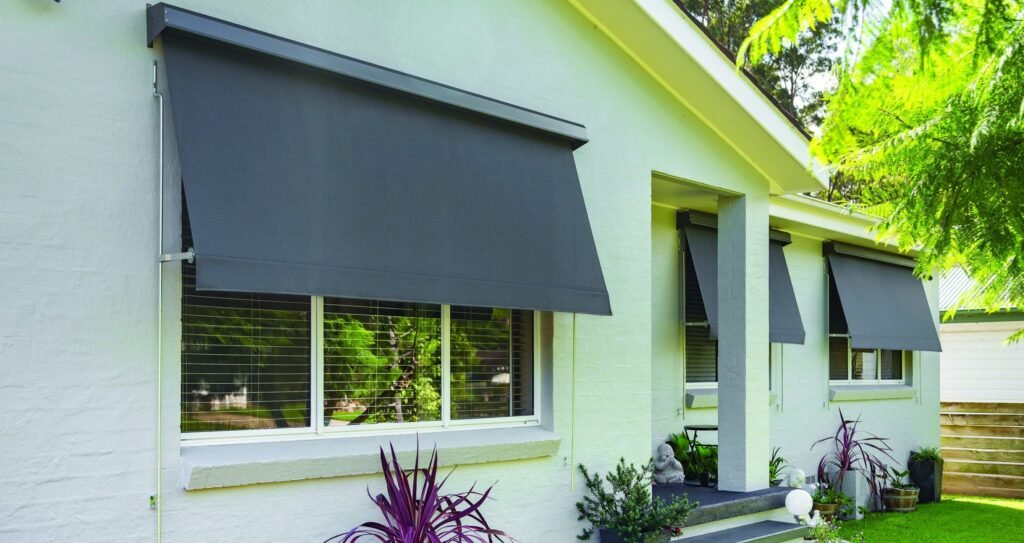
Outdoor shading systems help regulate these conditions by:
- Reducing heat and glare during sunny days
- Acting as a barrier against wind
- Providing shelter during light rain
- Allowing airflow when needed
This balance makes it possible to enjoy outdoor areas without fully enclosing them, maintaining the openness that people value.
Privacy in Open Spaces
As urban living becomes more compact, privacy has become a growing concern. Balconies and patios are often positioned close to neighbours or street views, making it difficult to relax comfortably.
Adding a layer of screening can:
- Create a sense of separation without permanent walls
- Reduce visibility from outside
- Allow users to control how open or enclosed a space feels
This flexibility is especially useful in shared or densely populated areas.
Extending Usability Across Seasons
One of the most overlooked advantages of well-designed outdoor coverings is their ability to extend the usability of a space beyond a single season.
Instead of limiting outdoor use to summer, these systems can:
- Block cold winds in cooler months
- Provide shade during peak heat
- Protect furniture from weather damage
- Reduce maintenance caused by exposure
This transforms outdoor areas into year-round spaces rather than occasional-use zones.
A Subtle Impact on Energy Efficiency
While often associated with comfort and design, outdoor shading can also play a role in energy efficiency. By reducing direct sunlight entering through windows and doors, it can help maintain more stable indoor temperatures.
This can lead to:
- Lower reliance on air conditioning during hot weather
- Reduced heat buildup near glass surfaces
- Improved overall thermal comfort inside the home
It’s a small change that can contribute to broader energy-saving efforts over time.
Design That Adapts to Lifestyle
Another reason outdoor solutions have gained popularity is their adaptability. They can be integrated into different architectural styles and tailored to suit individual needs.
From minimalist setups to more structured designs, the focus is on creating a seamless transition between indoor and outdoor environments. This adaptability makes them suitable for:
- Residential homes
- Outdoor dining areas
- Entertainment spaces
- Commercial settings like cafés or restaurants
A Shift Toward Functional Simplicity
What makes modern outdoor enhancements particularly interesting is their simplicity. Instead of complex renovations, people are turning to solutions that offer immediate, practical benefits without major structural changes.
This reflects a broader trend in home design: prioritising functionality, comfort, and flexibility over purely aesthetic upgrades.
Final Thoughts
The growing interest in outdoor living is reshaping how people think about their homes. Spaces that were once secondary are now becoming central to everyday life.
By improving comfort, privacy, and usability, outdoor enhancements are helping people make the most of every part of their property. It’s not just about adding features—it’s about changing how spaces are experienced, used, and valued over time.