
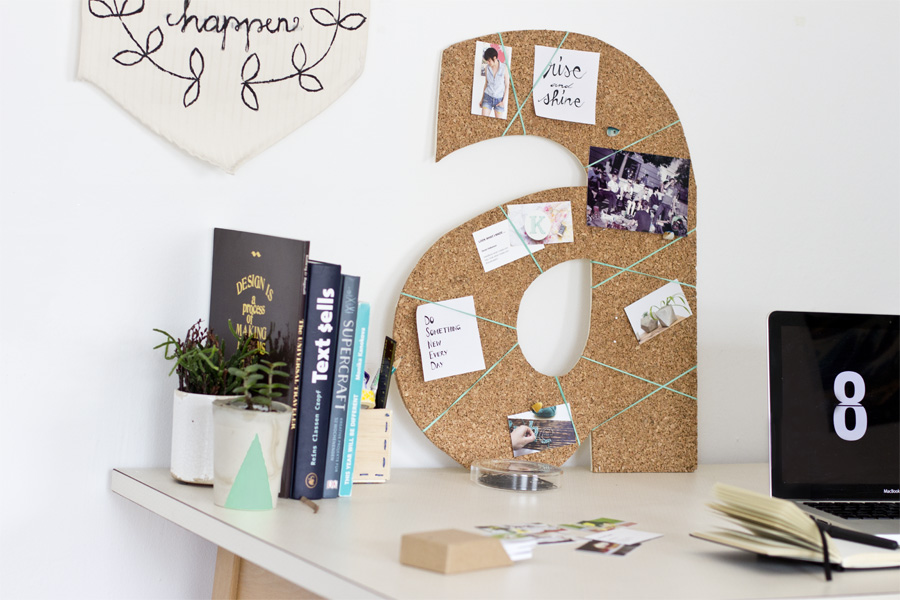
A thoughtfully placed pinboard plays a quiet but powerful role in keeping spaces organised, informed, and visually engaging. In offices, classrooms, studios, and shared environments, pinboards offer a practical way to display information that needs to be seen, remembered, and revisited. Unlike digital tools that disappear behind screens, a pinboard keeps important content visible, accessible, and part of everyday activity.
The Power of Seeing Information Every Day
Information that remains in sight is more likely to be remembered. A pinboard transforms messages, notices, and reminders into constant visual cues. Whether displaying schedules, announcements, or inspirational material, it helps people stay aligned without needing to search through emails or digital platforms.
This visibility supports better awareness across teams and groups. When information is pinned openly, everyone shares the same understanding of priorities, updates, and expectations. This reduces miscommunication and encourages a culture where information flows freely rather than being locked away in private inboxes.
Supporting Organisation in Busy Environments
Organisation is essential in spaces where multiple activities happen simultaneously. Pinboards act as central reference points where key documents and updates can be displayed clearly. In offices, they often hold project timelines, team notices, or policy updates. In educational settings, they may display lesson plans, student work, or important dates.
By grouping related information visually, pinboards help people process details quickly. This structured display makes it easier to focus on what matters most at any given time, reducing confusion and improving overall efficiency.
Encouraging Collaboration and Shared Ownership
Pinboards encourage collaboration by creating a shared space for ideas and communication. Team members can contribute notes, suggestions, or updates, turning the board into a living record of group activity. This shared ownership fosters engagement and accountability, as everyone can see contributions and progress.
In creative environments, pinboards are especially valuable. Designers, writers, and planners often use them to display concepts, references, and drafts. Seeing ideas side by side sparks new connections and supports creative thinking that might not emerge through digital tools alone.
A Versatile Tool for Learning and Development
In classrooms and training centres, pinboards support learning by reinforcing key messages visually. Displaying educational materials, achievements, or behavioural guidelines helps learners stay focused and motivated. When students see their work displayed, it builds confidence and encourages pride in their efforts.
Pinboards also support different learning styles. Visual learners, in particular, benefit from seeing information presented clearly and consistently. Over time, this visual reinforcement strengthens understanding and retention, making learning more effective.
Building Clear Communication in Shared Spaces
Shared spaces such as break rooms, corridors, and meeting areas benefit greatly from pinboards. These areas often serve as informal communication hubs, and a well-maintained pinboard ensures that important messages reach everyone. From safety notices to upcoming events, information displayed here becomes part of daily awareness.
Clear communication in shared spaces helps organisations maintain consistency. When policies, reminders, or updates are visible, there is less reliance on verbal repetition or digital reminders. This clarity supports smoother operations and fewer misunderstandings.
Flexibility That Adapts to Changing Needs
One of the greatest strengths of a pinboard is its flexibility. Content can be updated easily, rearranged as priorities change, or removed when no longer relevant. This adaptability makes pinboards suitable for both short-term notices and long-term displays.
As organisations evolve, pinboards evolve with them. New projects, goals, or initiatives can be reflected immediately, ensuring communication remains current. This responsiveness supports dynamic environments where information needs to shift quickly.
Supporting Culture and Connection
Beyond practical use, pinboards contribute to workplace and community culture. Displaying achievements, milestones, or personal messages helps humanise shared spaces. These small touches strengthen connection and morale, reminding people that they are part of a collective effort.
In educational settings, pinboards often showcase creativity and progress. Highlighting student achievements fosters a positive environment where effort is recognised and celebrated. This sense of belonging plays a crucial role in motivation and engagement.
Balancing Simplicity and Effectiveness
While digital communication tools offer speed and convenience, pinboards balance simplicity with effectiveness. They require no training, no technology, and no setup beyond a few pins. This accessibility ensures that anyone can use and understand them instantly.
Because of their simplicity, pinboards often become trusted tools rather than overlooked fixtures. People naturally check them as part of their routine, making them reliable channels for important information.
An Enduring Tool for Modern Spaces
Pinboards remain relevant because they meet a fundamental human need for visual clarity and shared understanding. They support organisation, communication, and collaboration in ways that complement digital systems rather than compete with them.
In modern spaces that value efficiency, creativity, and connection, a pinboard offers a dependable solution. By keeping information visible and ideas accessible, it helps individuals and teams stay informed, engaged, and aligned with their goals.