
Gum health is essential for a confident smile and strong teeth. When gums recede due to age, genetics, or gum disease, your teeth may become sensitive or appear longer than normal. One of the most effective ways to restore your gums is gum grafting, a specialized procedure performed by experienced periodontists. In this article, we’ll break down what gum grafting is, your treatment options, and what to expect during healing—all in clear, easy-to-understand terms.
What Is Gum Grafting?
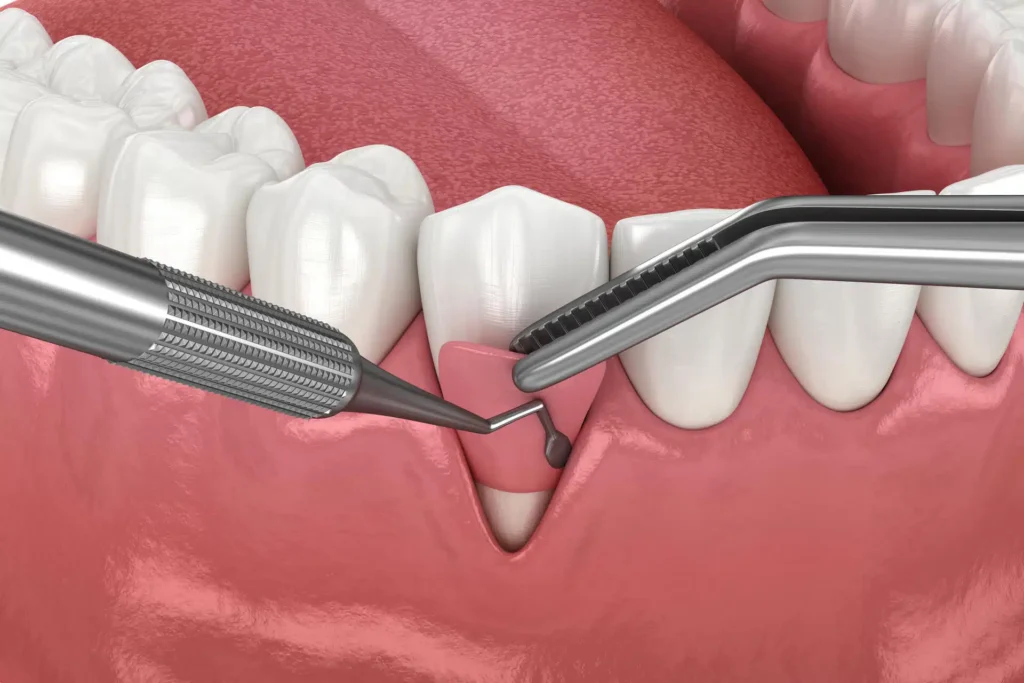
Gum grafting is a dental procedure that restores gum tissue to areas where it has receded. Receding gums can expose the roots of your teeth, increasing the risk of decay, sensitivity, and even tooth loss. During a gum graft, a periodontist carefully takes tissue from another part of your mouth—often the roof of your mouth—and attaches it to the area where your gums are thin or missing. This helps protect your teeth, reduce sensitivity, and improve your smile’s appearance.
There are different types of gum grafting procedures, each tailored to your specific needs:
Connective Tissue Grafts
This is the most common type of gum graft. A small flap of tissue is taken from under the roof of your mouth and stitched over the exposed area. Connective tissue grafts are ideal for patients looking to cover root exposure and strengthen their gums. The procedure is highly predictable, and healing typically goes smoothly when proper care instructions are followed.
Free Gingival Grafts
In this method, a thin piece of tissue is taken directly from the roof of your mouth and placed on the gum recession site. Free gingival grafts are often used when you need more gum thickness, especially in areas where the gums are very thin. Though slightly more noticeable at first, this graft type provides excellent long-term stability.
Pedicle Grafts
Pedicle grafts use tissue that is still attached to your existing gums. The tissue is partially cut and rotated to cover the exposed root. This method works best if your gums are healthy and plentiful near the problem area. Pedicle grafts usually heal faster and reduce the risk of discomfort at the donor site.
Healing Timeline After Gum Grafting
Recovery from gum grafting varies depending on the procedure, but most patients can expect a structured healing timeline:
- First Few Days: Swelling and mild discomfort are common. Your periodontist may prescribe pain medication or recommend over-the-counter options. Soft foods and careful oral hygiene are essential.
- One to Two Weeks: The graft begins to integrate with your natural gums. Stitches may dissolve on their own or be removed by your periodontist. You should continue eating soft foods and avoid touching the area with your tongue or fingers.
- Three to Four Weeks: Gum tissue becomes firmer, and swelling typically decreases. You may start gently brushing near the graft area as advised by your periodontist.
- One to Three Months: Complete healing usually occurs within this timeframe. The graft fully attaches to the underlying tissue, protecting your teeth and enhancing your smile. Follow-up visits ensure everything is healing as planned.
Maintaining good oral hygiene after the procedure is crucial. Regular checkups with a periodontist help prevent future gum recession and keep your smile healthy for years.
Benefits of Gum Grafting
Gum grafting offers more than cosmetic improvements. Key benefits include:
- Protecting Tooth Roots: Covers exposed roots and reduces sensitivity.
- Preventing Tooth Loss: Strengthens gums to support your teeth.
- Improving Appearance: Creates a fuller, more even gum line.
- Boosting Confidence: A healthy smile can enhance self-esteem and social interactions.
For patients experiencing gum recession, professional guidance from a periodontist ensures the most effective treatment and long-lasting results.
Why Choose The Periodontists for Your Gum Grafting Procedure
At The Periodontists, we specialize in advanced gum care. Our experienced team offers personalized treatment plans tailored to your needs, ensuring comfort and optimal results. We combine state-of-the-art techniques with compassionate care, guiding you through every step—from consultation to recovery.
If you’re concerned about gum recession or want to restore your smile, scheduling a consultation with The Periodontists is the first step. Our team will evaluate your oral health, explain your options, and recommend the best type of gum grafting for you. Don’t wait—protect your teeth and achieve a healthier, more confident smile today.