
Ants move quietly, work tirelessly and communicate with remarkable intelligence. They are some of the most coordinated insects on the planet, forming colonies that behave like a single living organism. When you see a few ants marching across your counter, you are witnessing only a small part of a much larger and more complex system. Ant infestations do not appear overnight, nor are they as harmless as many people assume. Understanding their hidden behaviors and lesser known habits can help you remove them more effectively and protect your home with confidence.
Here are 10 things you did not know about ant infestations, explained in a calm, natural and practical Robert style that focuses on observation, environment and traditional problem solving.
1. Ants Create Invisible Scent Highways in Your Home
When ants enter a home, they rely on pheromones, tiny chemical trails invisible to the human eye. These scent paths are surprisingly strong and can linger long after you wipe away the ants themselves. Even if you remove the visible trail, the chemical message remains unless you use something acidic such as vinegar or lemon. That is why ants return to the same spot again and again. They are following a map written in scent, not memory.
This behavior explains why simple surface cleaning does not solve an infestation. Unless you break the chemical communication, the colony will continue to send workers to that exact location, sometimes for weeks.
2. One Scout Ant Can Lead an Entire Colony Indoors
An infestation often begins with a single scout exploring new areas. These scouts are small, fast and incredibly determined. When a scout finds a crumb, sticky residue or even a damp corner, it returns to the colony and leaves a clear trail on its way back. Within hours, dozens or even hundreds of ants may appear as they follow the same path.
This is why early intervention matters. Removing scouts and cleaning surfaces can stop the colony before it commits to your kitchen.
3. Ant Colonies Split into Satellites When Threatened
Most people assume that an ant colony exists in one place, but many species form satellite nests throughout a home or yard. If the main colony becomes overcrowded or threatened, ants split into smaller groups. These satellite colonies then spread throughout walls, insulation and soil.
This splitting behavior is one of the main reasons infestations keep returning. You may eliminate one nest only to discover that another is still thriving a few feet away. True ant control requires addressing the entire network, not just a single mound.
4. Ants Can Nest Inside Your Walls and Stay Hidden for Years
Ants are masters of quiet living. Many species prefer to nest inside walls, behind appliances, under flooring or inside old wood. Carpenter ants are especially drawn to damp or softened wood, carving smooth tunnels that weaken structures over time. Other species choose insulation or hollow doors, places that provide warmth and safety.
Because these nests are hidden, homeowners often do not realize they have a problem until the colony becomes large enough to send out frequent foraging lines. By then, the nest may be extensive.
5. Ants Are Attracted to Electrical Systems and Can Cause Damage
Few people know that ants are drawn to warm electrical components. Some species, such as crazy ants and fire ants, gather inside electrical boxes, power outlets and household electronics. They chew on wires, clog moving parts and build nests inside warm areas.
This can lead to electrical shorts, malfunctioning appliances or flickering lights. In rare cases, ant activity in wiring has been connected to electrical fires. Regular inspection of warm, enclosed areas is important, especially if you live in a humid climate.
6. Ants Protect Garden Pests to Create a Food Source
Ants do not simply invade homes. They also influence gardens in surprising ways. Many species farm aphids because aphids produce a sugary liquid called honeydew. Ants nurture, protect and even move aphids from one plant to another.
This relationship can weaken plants, spread disease and disrupt garden health. Sometimes an ant problem indoors begins with a much larger ant aphid system developing outside. By managing aphids, you reduce one of the ants’ favorite food sources and make your home less attractive to them.
7. Ants Use Moisture as a Signal for New Nesting Sites
Moisture attracts ants more powerfully than food in many cases. A small leak under the sink, a poorly sealed window or a damp basement corner can draw ants in and encourage them to nest nearby. Their ability to sense humidity allows them to identify locations where they can survive long term.
This is why fixing leaks, improving ventilation and keeping your home dry plays such an important role in preventing infestations.
8. Natural Scents Do More Than Repel Ants
Herbs such as mint, cloves, cinnamon and bay leaves have long been used to discourage ants. While many people believe these herbs simply act as scents the ants do not like, their effects run deeper. These aromatic plants contain oils that disrupt pheromone communication. When ants cannot follow a trail, they quickly become disorganized and abandon the area.
This is why so many traditional households placed herbs in cupboards, corners and storage rooms. They were not just masking odors. They were interrupting ant communication at its source.
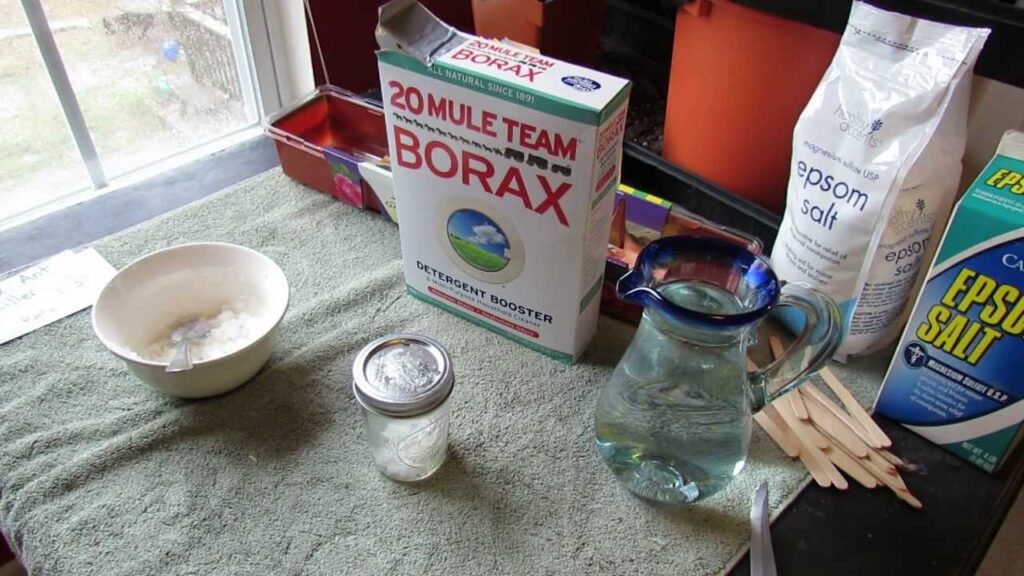
9. Borax Works Because Ants Carry It Back to the Colony
One of the most effective natural methods to eliminate an infestation is a mixture of Borax and sugar. The sugar draws worker ants in, while the Borax disrupts their digestive system. What makes Borax especially powerful is its slow action. The ants do not die immediately. Instead, they carry the bait back to the colony and share it.
This allows the mixture to reach the queen and the deeper workers who never leave the nest. It targets the entire colony rather than just the ants you see. Many traditional home remedies rely on this slow and steady approach, which matches the natural rhythm of ant behavior.
10. Ant Infestations Can Affect Emotional and Mental Well Being
Living with ants is more stressful than people often admit. Seeing insects in the home each morning or finding them in food containers can create a sense of discomfort and loss of control. Many people experience frustration, embarrassment or anxiety, especially when the infestation is persistent.
This emotional strain is part of the hidden cost of ant infestations. A calm, consistent approach that uses natural methods can help restore both the home’s balance and your peace of mind.
Final Thoughts
Ant infestations are far more complex than they appear. These small insects follow detailed patterns, communicate through scent, expand through satellite colonies and react to moisture, food and structural weaknesses inside the home. Understanding these behaviors allows you to approach ant control with patience, clarity and natural solutions that respect both your home and the environment.